Valve feedback and sensing for automation-ready diaphragm valves.
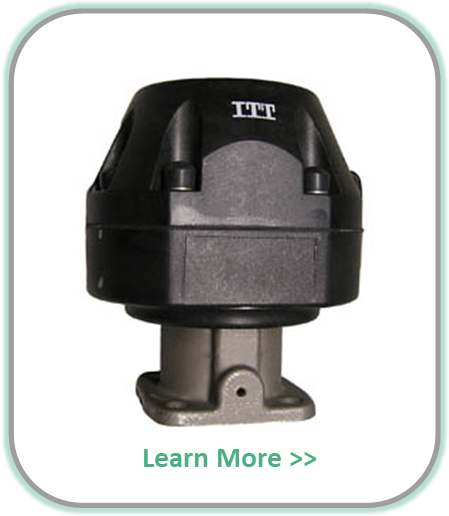
Instrumentation closes the loop between valve hardware and the control system. Triplex helps review position feedback, sensing packages, solenoid needs, and wiring/control expectations.
Build the valve conversation around the process risk.
Triplex helps match ITT valve bodies, bonnets, actuators, diaphragms, instrumentation, and documentation expectations to the real process: product, cleaning chemistry, sterilization, pressure/temperature, access, validation, and maintenance.
What to verify before selecting.
The right diaphragm valve is not just a size and connection. Body geometry, drainability, actuation, sensing, diaphragm material, and documentation all matter.
| Selection point | Why it matters | Triplex note |
|---|---|---|
| Body geometry | Drainability, deadleg control, and access change by body style. | Start with process path and cleaning requirement. |
| Diaphragm and wetted materials | Chemistry, temperature, and cycle life drive material selection. | Use compatibility review before final selection. |
| Actuation and feedback | Manual, pneumatic, and sensing choices affect automation and maintenance. | Match plant controls and validation expectations. |
Documents and tools for the ITT valve discussion.
Related ITT valve pages.
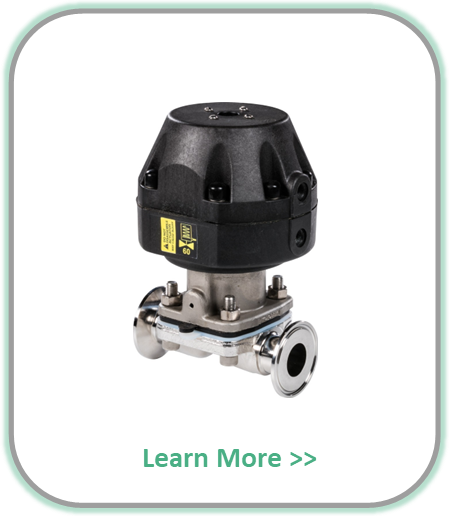
Pure-Flo diaphragm valves
General high-purity diaphragm valve platform.
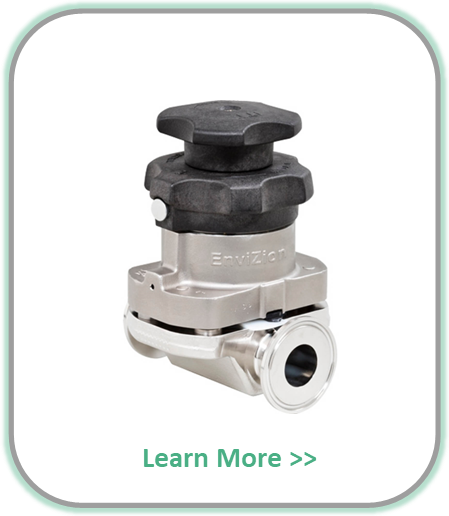
EnviZion platform
Modular ITT diaphragm valve platform.
ITT ISP valve switch package
Integrated valve sensing, position feedback, diagnostics, and solenoid options for automated diaphragm valves.
Valve body overview
Compare two-way, zero static, sterile access, divert, and specialty body styles.
Need help specifying ITT diaphragm valves?
Send the product, process conditions, cleaning/sterilization method, valve size, end connections, actuation preference, and documentation needs. Triplex will help narrow the correct path.
Talk to Triplex