Twin Screw Pumps. One platform for product + CIP
Twin screw pumps are a serious option when sanitary or high-purity processing needs gentle, low-pulsation product transfer and high-speed CIP cleaning duty from one pump platform. Triplex Sales represents three strong platforms: WANGEN Twin NG, the Waukesha Universal Twin Screw, and Bornemann twin screw pumps now supported through the Waukesha Cherry-Burrell U.S. channel.
Three twin screw platforms. Different strengths, same sizing discipline.
Triplex Sales can help compare WANGEN, Waukesha, and Bornemann platforms against the real duty point: product, flow, pressure, viscosity, suction conditions, cleaning method, seals, and documentation needs.

WANGEN Twin NG
Sanitary twin screw platform for product transfer and CIP capability, with fast-X-change screw service, cartridge seal access, and VarioTwin forced-feed options for products that need help reaching the pump inlet.
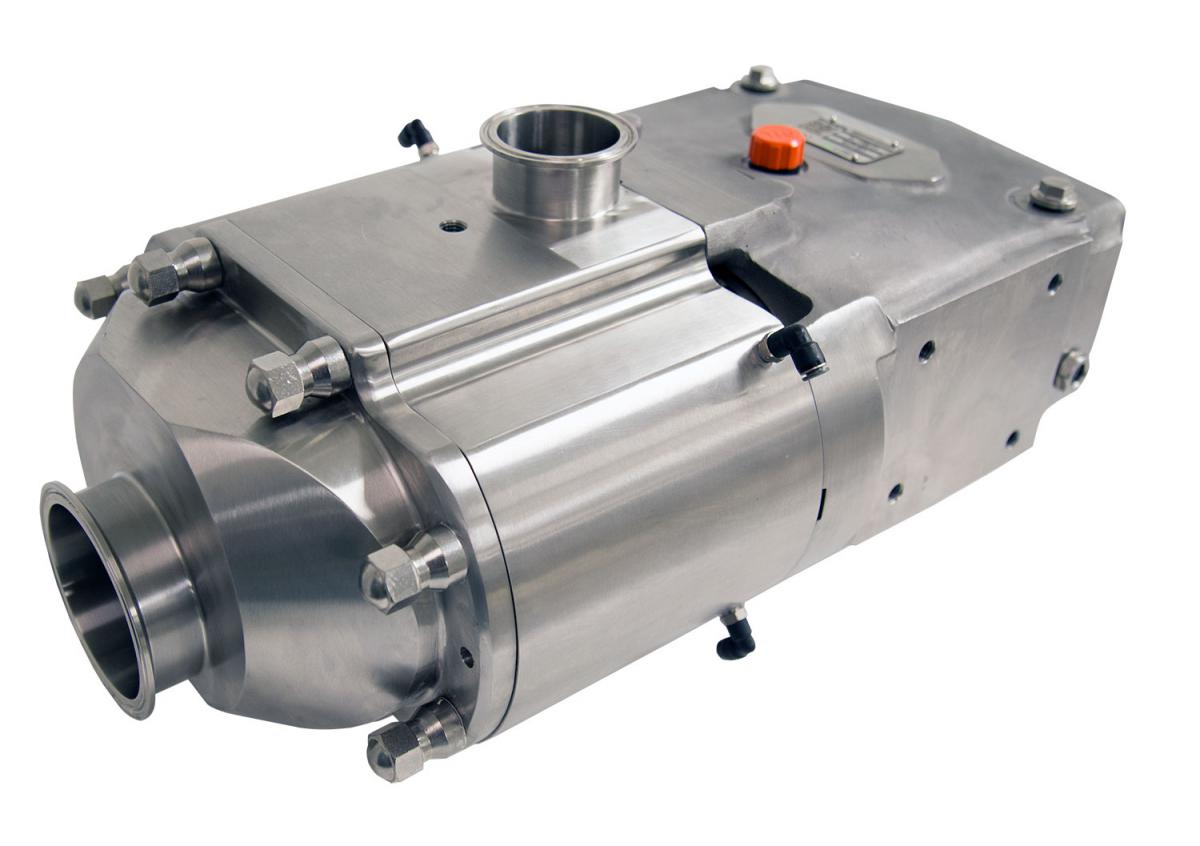
Waukesha Universal Twin Screw
Twin screw technology from the Waukesha Universal family for high-purity process applications where gentle handling, cleanability, and Waukesha platform familiarity matter.
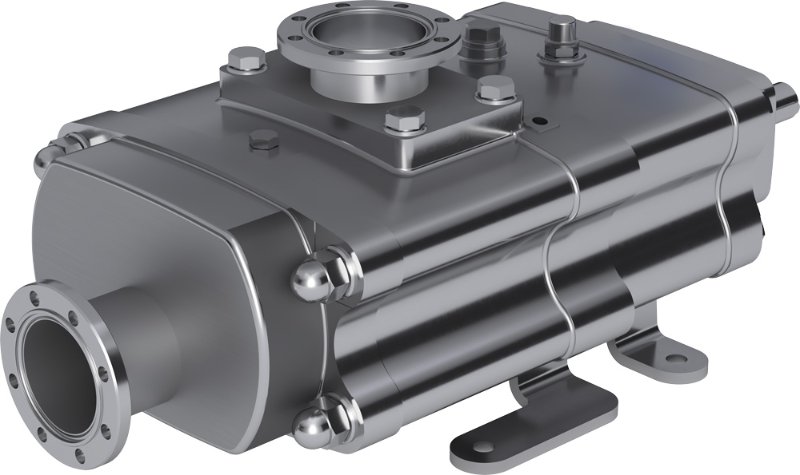
Bornemann Twin Screw
Bornemann twin-screw technology, now available through the Waukesha Cherry-Burrell U.S. channel network, for hygienic SLH, food, dairy, pharma, cosmetic, chemical, industrial, and high-viscosity duties that need careful application review.
*Maximum values are model and application dependent. Always size from the actual product, temperature, pressure, suction conditions, solids, seal plan, and CIP requirements.
When should you use a sanitary twin screw pump?
Quick answer: Use a sanitary twin screw pump when one pump may need to handle gentle product transfer and high-speed CIP flow, especially across a wide viscosity range or with shear-sensitive products. If the duty is simpler viscous transfer, compare rotary lobe; if the fluid is thin and clean, compare centrifugal first.
| Application signal | Likely direction | Triplex next step |
|---|---|---|
| Product transfer and CIP duty from one pump | Twin screw pump | Review WANGEN Twin NG, Waukesha UTS, and Bornemann against the full duty cycle. |
| Viscous or shear-sensitive product only | Rotary lobe or twin screw | Compare pump speed, cleanability, shear sensitivity, and lifecycle cost. |
| Thin, clean, high-flow transfer | Centrifugal pump | Start with centrifugal, then confirm suction/head and cleaning requirements. |
Product duty and CIP duty are two different operating points.
A sanitary twin screw pump can sometimes transfer product at a lower process speed and then run faster during cleaning to move CIP solution through the circuit. That capability can simplify some systems, but it does not make every product-transfer duty a twin screw application.
The pump, line size, cleaning velocity, pressure drop, temperature, suction conditions, controls, and plant cleaning standards all need to be reviewed before treating one pump as both the product pump and the CIP pump.
| Operating point | What Triplex reviews | Why it matters |
|---|---|---|
| Product transfer | Viscosity range, shear sensitivity, particulates, suction/NPSH, pressure, flow, temperature, seals, and product behavior changes. | The pump must move product without creating texture, damage, suction, or pressure problems. |
| CIP duty | Line size, cleaning velocity target, circuit restrictions, pressure drop, utility temperature, controls, and validated plant cleaning standard. | CIP success is a circuit question, not just a pump-speed question. |
| One-pump strategy | Whether the same platform can satisfy both duties without compromising cleanability, controls, or product quality. | Some systems simplify; others still need a dedicated CIP pump, bypass, or a different pump style. |
Twin screw vs. sanitary PD: where the comparison starts.
Twin screw and other sanitary positive-displacement pumps are not interchangeable shortcuts. Rotary lobe and circumferential piston designs are often reviewed first for controlled viscous transfer. Twin screw becomes more attractive when the duty needs broader speed flexibility, potential product-plus-CIP operation, or changing product conditions.
| Application signal | Usually compare first | Why |
|---|---|---|
| Straightforward viscous sanitary transfer | Sanitary PD pump | Proven controlled-flow transfer option with broad hygienic use. |
| Product transfer and possible CIP flow from one pump | Twin screw | Wider speed range may support both operating points when the system allows it. |
| Viscosity changes with temperature or process stage | Twin screw or sanitary PD | Selection depends on the full viscosity range, pressure, and suction conditions. |
| Shear-sensitive product or particulates | Application review | Pump speed, geometry, pressure, particle size, and texture target all matter. |
What to send for twin screw pump sizing.
Send the product, target flow rate, viscosity range, pumping temperature, differential pressure, suction conditions, solids or particulates, shear sensitivity, seal expectations, and cleaning method. If the same pump is expected to support CIP flow, include required CIP flow, line size, cleaning velocity target, utility temperature, known restrictions, controls, and plant cleaning standards.
When the pump has to be gentle during production and fast during cleaning.
The twin screw conversation usually starts when a plant wants fewer components, better product handling, or one pump platform that can cover production transfer and cleaning media in the same sanitary path.
Useful when product quality and cleanability both matter.
Twin screw pumps are most interesting when the product is valuable, viscous, shear-sensitive, particulate-laden, or hard to clean out of the line.
Twin screw is not the answer to every pump problem. That is the point.
The right recommendation depends on the duty point. Triplex will compare twin screw against rotary lobe, centrifugal, AODD/EODD, or other pump types when viscosity, cleanability, suction conditions, high-purity requirements, or hard-to-handle fluids point in a different direction.
| Question | Why it matters | Triplex sizing note |
|---|---|---|
| What is the viscosity at pumping temperature? | Viscosity drives speed, suction, horsepower, and line loss. | Use the viscosity guide if product behavior is not clear. |
| Is CIP part of the same pump duty? | Cleaning flow may require a very different operating point than product transfer. | Confirm line size, cleaning velocity, temperature, and circuit restrictions. |
| Does the product need help feeding the pump? | Dense or non-flowable products may not gravity-feed into the inlet consistently. | Review WANGEN VarioTwin or other feed strategies when inlet conditions are the real problem. |
| What seal and elastomer risks exist? | Chemistry, temperature, solids, lubricity, and cleaning chemicals can decide uptime. | Start with the chemical compatibility guide, then verify final selection. |
Technical questions, answered plainly.
Can one twin screw pump handle both product and CIP?
Sometimes, but not automatically. A sanitary twin screw pump may be able to operate at product-transfer speed and higher cleaning speed, but CIP performance still depends on line size, required cleaning velocity, pressure drop, circuit restrictions, temperature, controls, suction conditions, and plant standards.
When is twin screw better than rotary lobe?
Twin screw deserves a closer look when one pump platform may need to cover product transfer and CIP, or when the product is highly shear-sensitive, broad in viscosity range, or difficult to clean through a conventional layout. Other sanitary PD pumps remain excellent for many transfer duties, so the choice should come from the duty point and cleaning requirement.
What information does Triplex need to size one?
Flow rate, viscosity at temperature, differential pressure, suction conditions, product details, solids/particles, cleaning method, seal expectations, elastomer compatibility, and any current pump problems.
Documents that move the selection from interest to a real quote.
Twin screw selection gets better when the application data and support documents are close at hand. Use the product pages for platform-specific manuals and application notes, then use Triplex tools to check viscosity, line losses, and compatibility before the quote conversation gets too far downstream.
| Resource | Use it for | Link |
|---|---|---|
| Bornemann twin screw product page | Waukesha Cherry-Burrell channel access, SLH-5G data, hygienic/industrial guardrails, and official Bornemann resources. | Open Bornemann page |
| WANGEN Twin NG product page | Product + CIP capability, VarioTwin, fast-X-change service, WANGEN manuals and resources. | Open WANGEN page |
| WANGEN Lunch & Learn handouts | Customer-facing one-pagers for twin screw sizing/specifying and pump care conversations. | Download PDF |
| Waukesha Universal Twin Screw page | High-purity UTS features, screw pitch selection, UTS manual, seal kits, and application notes. | Open UTS page |
| Viscosity Reference Guide | Frame product behavior before choosing speed, horsepower, and suction assumptions. | Use guide |
| Friction Loss Calculator | Check piping losses before a pump is blamed for a system problem. | Run calculator |
| Chemical Compatibility Guide | Start the elastomer and seal-material conversation for product and CIP chemistry. | Check compatibility |
| Pump Application Datasheet | Give Triplex the flow, pressure, viscosity, temperature, solids, cleaning, and suction data needed for selection. | Download PDF |
When twin screw is on the table, the whole pump duty matters.
Triplex site surveys help review installed transfer and CIP duties, viscosity ranges, suction conditions, cleaning expectations, pump speed, seals, spare-parts needs, and whether a twin screw platform is solving the right problem.
It is especially useful when a line is balancing gentle product handling, cleanability, throughput, and maintenance access.
Plain-English selection answers.
These answers mirror the structured FAQ layer so buyers and search systems see the same guidance.
Can one twin screw pump handle both product and CIP?
Sometimes, but not automatically. A sanitary twin screw pump may be able to operate at product-transfer speed and higher cleaning speed, but CIP performance still depends on line size, required cleaning velocity, pressure drop, circuit restrictions, temperature, controls, suction conditions, and plant standards.
When is twin screw better than rotary lobe?
Twin screw deserves a closer look when one pump platform needs to cover product transfer and CIP, or when the product is highly shear-sensitive, broad in viscosity range, or difficult to clean through a conventional layout. Rotary lobe pumps remain excellent for many sanitary positive displacement duties.
What information does Triplex need to size one?
Flow rate, viscosity at temperature, differential pressure, suction conditions, product details, solids or particles, cleaning method, seal expectations, elastomer compatibility, and any current pump problems.
Need help deciding whether twin screw belongs in the quote?
Send the product, flow, pressure, temperature, viscosity, cleaning requirements, suction conditions, and current pump challenge. Triplex will help compare WANGEN Twin NG, Bornemann, Waukesha UTS, and other pump options before you commit.