How to choose a sanitary positive displacement pump
Start with the process. Sanitary PD pumps fit many viscous, shear-sensitive, particulate-bearing, or controlled-flow duties, but the right style depends on viscosity, GPM, differential pressure, solids, product damage limits, CIP/COP requirements, suction condition, and whether one pump must handle both product and cleaning flow.
Product, viscosity, flow, pressure, suction, cleaning, and seal needs drive the selection.
Existing connections matter, but they do not confirm speed, horsepower, slip, or suction behavior.
Viscosity and friction-loss estimates make the first Triplex conversation faster and sharper.
Pump-style decision matrix
| Pump style | Strong fit when | Needs caution when | Triplex review |
|---|---|---|---|
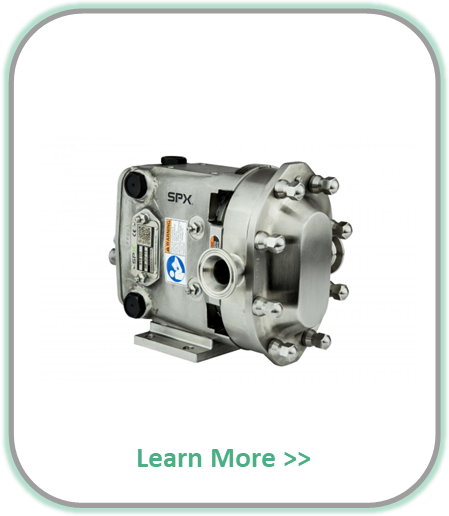
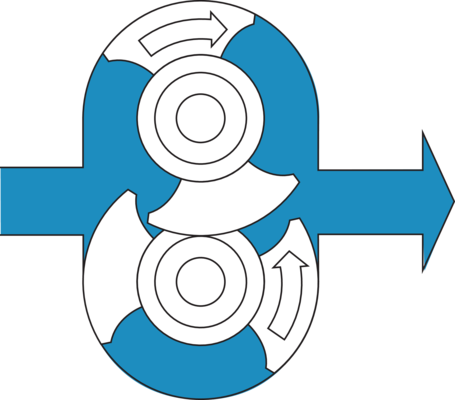
| Rotary lobe / circumferential piston | Viscous sanitary transfer, gentle handling, controlled flow, established COP/CIP practices. | High pressure, difficult suction, abrasive/crystallizing product, or frequent seal issues. | Waukesha U1/U2/U3 family, speed, slip, seal arrangement, cleaning method. |
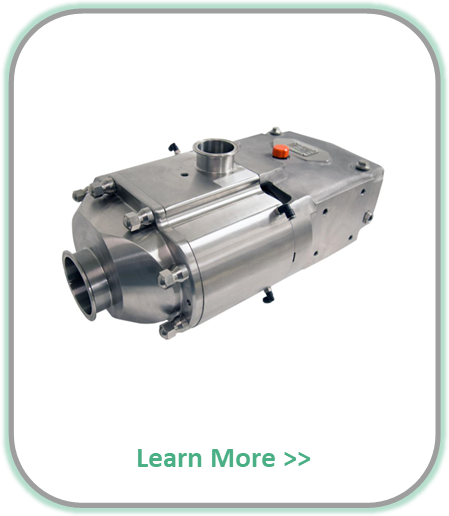
| Twin screw | Wide viscosity range, difficult suction, gentle transfer, or one pump may handle product and CIP flow. | The application only needs simple thin-liquid transfer or economics favor centrifugal. | Product/CIP duty split, horsepower, suction, cleaning velocity, seal plan. |
| Centrifugal | Thin, low-viscosity, high-flow duties where the curve fits and shear is acceptable. | Viscosity, solids, metering, or suction behavior moves outside practical centrifugal range. | Curve, head, NPSH, impeller/volute fit, product sensitivity. |
| Needs review first | Incomplete viscosity, pressure, line-loss, cleaning, or seal information. | Any time a prior pump failed repeatedly or the application changed. | Build the duty point before selecting technology. |
Selection workflow
| Step | Question | Output |
|---|---|---|
| 1 | What is the product at operating temperature? | Viscosity, solids, shear sensitivity, temperature range. |
| 2 | What flow and pressure are actually required? | GPM, differential pressure/head, line loss estimate. |
| 3 | What does the suction side look like? | Flooded/lift/vacuum, line length, fittings, NPSH concerns. |
| 4 | How will the pump be cleaned? | CIP/COP expectation, cleaning velocity, chemicals, drainability. |
| 5 | What can the seal tolerate? | Seal type, elastomer/material compatibility, flush/barrier needs. |
Where risk increases
Build the duty point, then send it for review.
Use Triplex tools to estimate viscosity and friction loss, then send the full application summary for sanitary pump selection support.
Helpful Triplex links
FAQ
When should I use a sanitary positive displacement pump?
Consider a sanitary PD pump for viscous, shear-sensitive, particulate-bearing, or controlled-flow duties where a centrifugal pump may not perform predictably.
What information is needed to size a sanitary pump?
Triplex needs product, viscosity at operating temperature, required flow, pressure/head, suction condition, line details, solids, cleaning method, seal needs, and existing pump information.
Should I choose rotary lobe, circumferential piston, or twin screw?
The answer depends on the duty. Rotary lobe/circumferential piston pumps fit many sanitary transfer duties; twin screw deserves review when viscosity varies widely or one pump may need to handle product and CIP.
Can a centrifugal pump replace a sanitary PD pump?
Sometimes. Thin, low-viscosity, high-flow duties may be better handled by centrifugal pumps if shear, head, and flow requirements fit.
Can Triplex finalize sizing from an online calculator?
No. The calculators and tools help prepare the application, but final pump selection requires Triplex review of the full duty and equipment configuration.