Votator support for viscous, sticky, and heat-sensitive products.
Votator scraped-surface heat exchangers are used when product behavior makes ordinary heat transfer difficult: viscosity, fouling, crystallization, particulates, aeration, texture control, or tight temperature windows.
Votator options and support paths.
Triplex can help identify whether the application belongs on Votator II, vertical, Origin, heavy-duty, LD, or a service/support path for an existing unit.
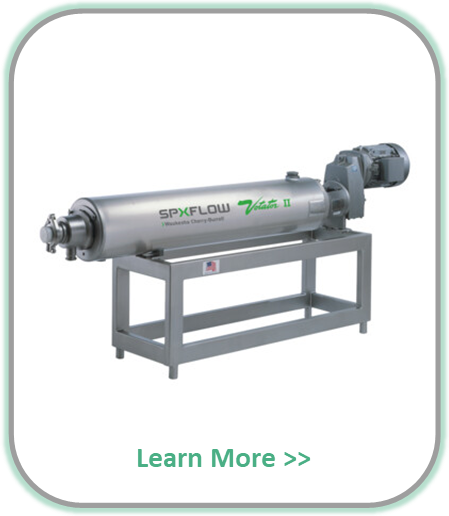 Votator
Votator II
Horizontal scraped-surface heat exchanger platform for demanding thermal processing duties.
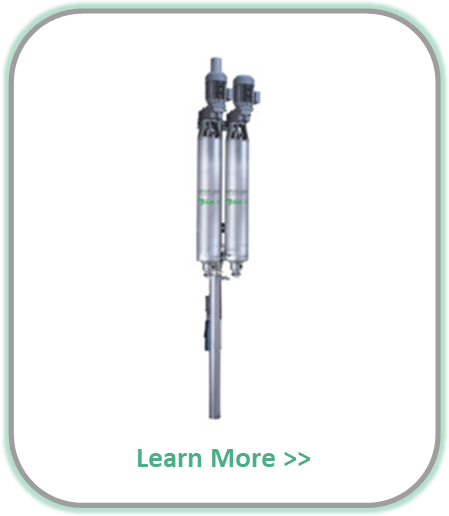 Votator
Votator II Vertical
Vertical configuration for applications where layout, residence time, or process design points that direction.
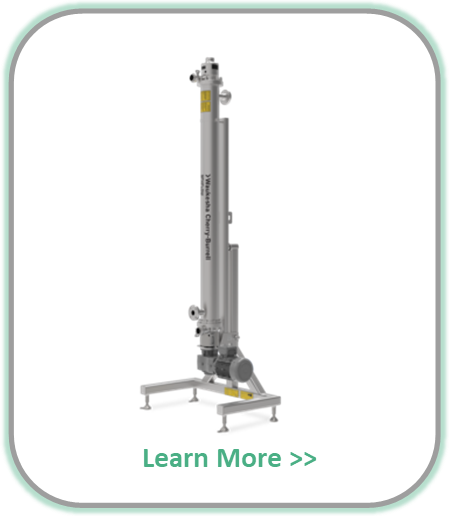 Votator
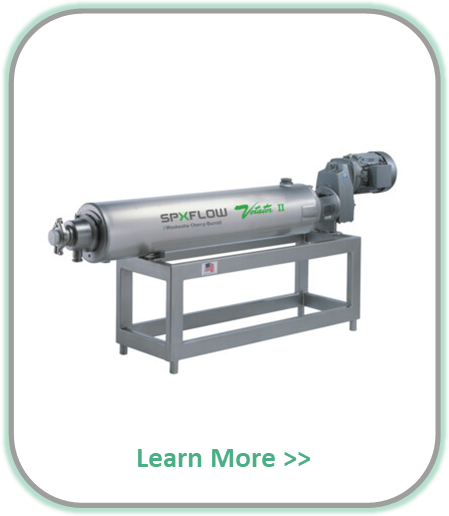
Votator Origin
Modernized SSHE platform for sanitary thermal process applications.
 Votator
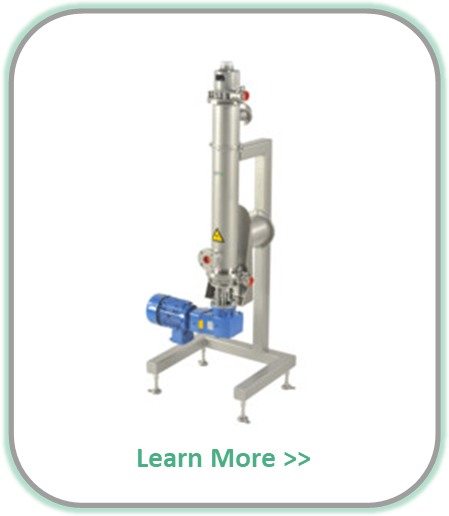
Votator Extra Heavy Duty
Heavy-duty option for severe product or process demands.
 Votator
Votator LD Series
Lower-duty scraped-surface heat exchange option for appropriate products.
 Votator
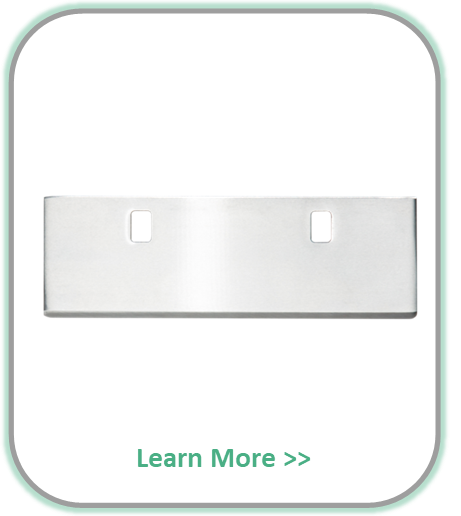
Votator blades
Blade selection and replacement support for heat transfer and product handling.
When should you use a Votator scraped-surface heat exchanger?
Quick answer: Use a Votator scraped-surface heat exchanger when product behavior makes ordinary heat transfer difficult: viscosity, fouling, burn-on, crystallization, particulates, aeration, texture control, or narrow temperature windows. The scraper keeps product moving at the heat-transfer surface while supporting more stable thermal processing.
| Application signal | Likely direction | Triplex next step |
|---|---|---|
| Product fouls, burns on, crystallizes, or builds film | Votator / SSHE review | Gather product behavior, temperature targets, utilities, and residence-time expectations. |
| Viscous or particulate product does not suit plates | Scraped-surface heat exchange | Confirm viscosity at temperature, particulates, pumpability, and cleaning method. |
| Existing Votator has slipping performance | Service, blades, seals, or rebuild review | Start with model, serial number, duty, symptoms, and photos if available. |
Good Votator conversations start with product behavior.
Share viscosity at processing temperature, solids/particulates, phase change or crystallization behavior, inlet/outlet temperatures, utility conditions, cleaning method, and current line pain points.
| Application clue | What it suggests | Triplex review point |
|---|---|---|
| Product burns on or fouls surfaces | Scraped surface may be required. | Review residence time, wall temperature, and blade strategy. |
| Viscous or particulate product | Conventional plate designs may plug or lose efficiency. | Confirm viscosity, particulates, and pump selection. |
| Existing Votator performance is slipping | Service, blades, seals, or rebuild support may be the first move. | Start with model, serial, duty, and failure mode. |
Votator documents and service resources.
Plain-English selection answers.
These answers mirror the structured FAQ layer so buyers and search systems see the same guidance.
What does a Votator do differently from a plate heat exchanger?
A Votator uses scraping elements to continuously move product at the heat-transfer surface, which helps with viscous, sticky, fouling, crystallizing, particulate, or heat-sensitive products that can be difficult for plate heat exchangers.
What applications commonly need scraped-surface heat exchange?
Common warning signs include burn-on, fouling, crystallization, viscosity changes, particulates, aeration, texture sensitivity, or an existing thermal line that cannot maintain temperature or throughput.
What should I send Triplex for Votator support?
Send product, flow rate, inlet and outlet temperatures, viscosity, particulates, cleaning method, utility details, existing model and serial numbers if available, and the problem you are trying to solve.
Send the product and process conditions. We'll help narrow the Votator path.
Triplex can support new equipment conversations and existing Votator service needs.
Talk to Triplex