Centrifugal pumps for clean, efficient process transfer.
Triplex supports Waukesha and APV centrifugal pump platforms for food, beverage, dairy, brewery, pharmaceutical, and hygienic process applications. Start with the product, flow, pressure, suction conditions, entrained air, and cleaning method; then choose the pump family.
Sanitary centrifugal pump families.
Use this overview to compare standard centrifugal, high-purity centrifugal, liquid-ring/self-priming, brewery, and APV options before jumping into a model number.
 Centrifugal
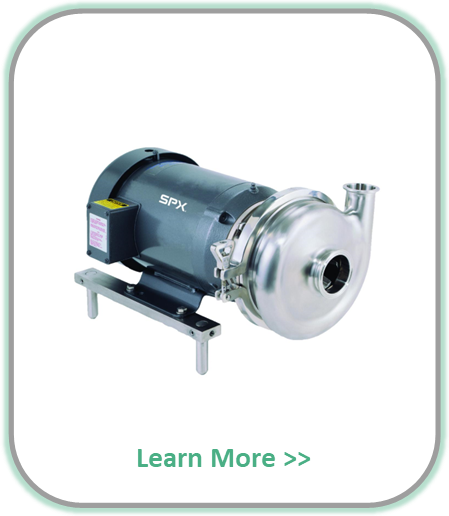
Waukesha 200 Series
Heavy-duty sanitary centrifugal platform for process transfer and CIP duties.
 Centrifugal
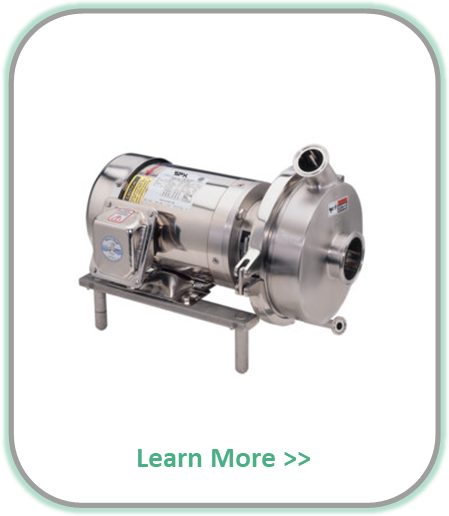
Waukesha S200 Series
Pharmaceutical/high-purity centrifugal pump platform with enhanced sanitary expectations.
 Centrifugal
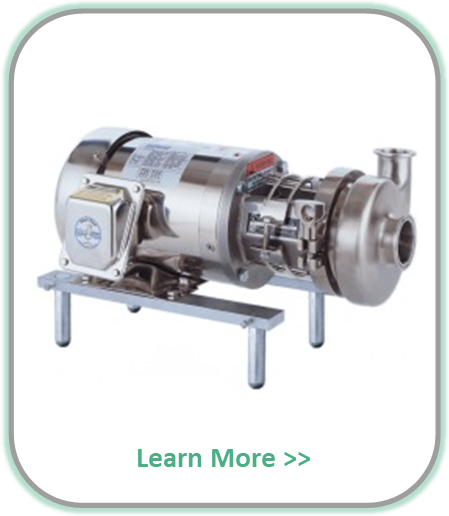
Waukesha C Series
Versatile sanitary centrifugal pump family for broad food, beverage, dairy, and process use.
 Centrifugal
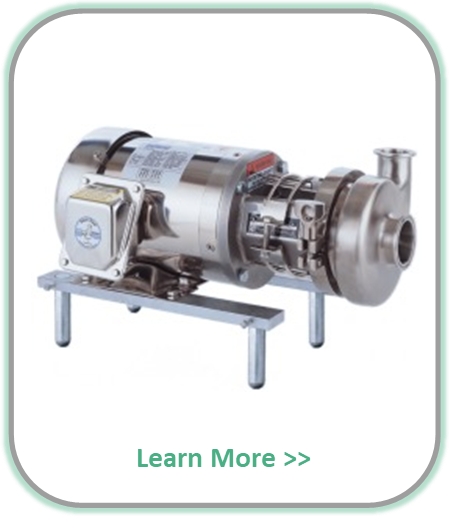
CB+ Craft Beer Pump
C Series-based pump option tailored to brewery and craft-beverage duty.
 Centrifugal
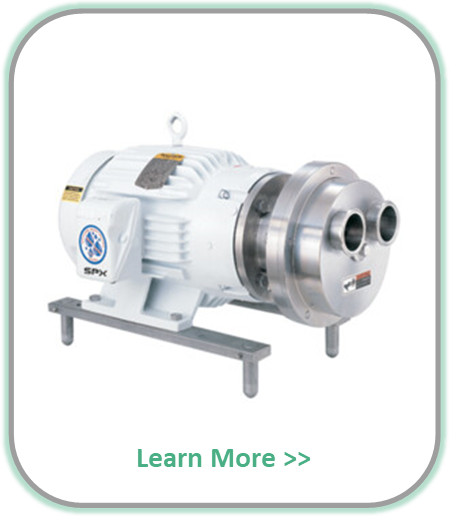
Waukesha 200LR Liquid Ring
Handles entrained air and line-emptying duties where standard centrifugal pumps can struggle.
 Centrifugal
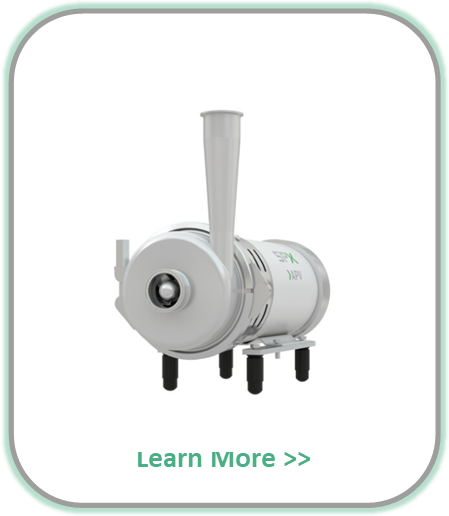
APV W+ Pumps
Efficient APV centrifugal pump platform for sanitary and hygienic processing.
 Centrifugal
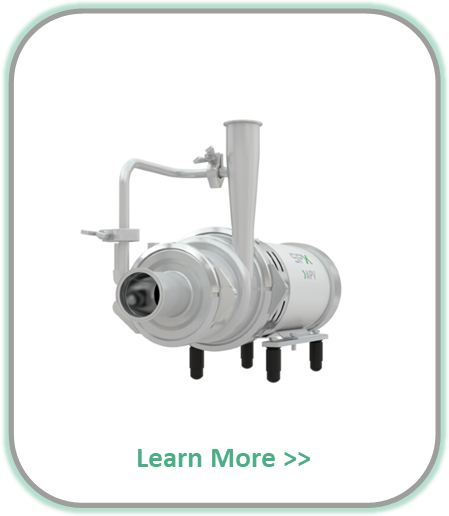
APV Ws+ Pumps
Self-priming/liquid-ring style APV option for air-entrained products and suction-lift conditions.
 Centrifugal
APV V2 Pumps
Installed-base support for legacy APV/Waukesha V2 sanitary centrifugal pumps, manuals, and replacement review.
When should you use a sanitary centrifugal pump?
Quick answer: Use a sanitary centrifugal pump for clean, lower-viscosity liquids where efficient continuous flow is the goal. If the product is viscous, shear-sensitive, particulate-bearing, or needs more positive displacement control, compare rotary lobe or twin screw before selecting a centrifugal model.
| Application signal | Likely direction | Triplex next step |
|---|---|---|
| Thin, clean, high-flow liquid | Centrifugal pump | Review C Series, 200 Series, W+, or related centrifugal options. |
| Air-entrained product or suction-lift duty | Liquid-ring/self-priming option | Compare 200LR or APV Ws+ before choosing a standard centrifugal. |
| Viscous, shear-sensitive, or solids-bearing product | Rotary lobe or twin screw | Compare positive-displacement options before sizing centrifugal. |
When centrifugal is right — and when another pump belongs in the quote.
Centrifugal pumps are usually a strong fit for clean, lower-viscosity liquids at moderate pressure. When viscosity, shear sensitivity, solids, or positive displacement control matter, compare against rotary lobe, twin screw, AODD, or another platform.
| Question | Why it matters | Next step |
|---|---|---|
| Is the fluid thin and clean? | Often a centrifugal fit. | Review C Series, 200 Series, W+, or related options. |
| Is the product air-entrained or suction-lifted? | Standard centrifugal pumps may lose prime. | Review 200LR or Ws+. |
| Is viscosity high or flow must track speed? | Centrifugal may not be the right pump. | Compare rotary lobe or twin screw. |
| Are line losses unclear? | Piping can consume pressure before the pump is blamed. | Run the friction loss calculator. |
Common centrifugal pump documents.
Use these brochures, manuals, and tools for quick centrifugal pump reference. If the installed pump or system condition is unclear, Triplex can review the application through a facility audit or site survey.
Before blaming the centrifugal pump, review the system around it.
Centrifugal pumps are often blamed for problems caused by suction conditions, line losses, viscosity changes, air entrainment, or worn components. A Triplex site survey helps review the installed pump, duty conditions, piping realities, seal materials, motor data, and cleaning expectations.
The result is a clearer path: repair the current pump, resize it, change pump style, or address the system condition around it.
Plain-English selection answers.
These answers mirror the structured FAQ layer so buyers and search systems see the same guidance.
When is a centrifugal pump the right choice?
A sanitary centrifugal pump is usually the right starting point for clean, lower-viscosity liquids that need efficient continuous transfer at a defined flow and head.
When should I compare centrifugal against rotary lobe or twin screw?
Compare other pump types when the product is viscous, shear-sensitive, contains solids, needs accurate positive-displacement flow, or when one pump may need to cover both product and CIP duty.
What information does Triplex need to size a centrifugal pump?
Useful sizing information includes product, flow rate, total dynamic head or pressure, viscosity, temperature, suction conditions, entrained air, cleaning method, connections, and current pump or system issues.
Need help choosing the right centrifugal pump?
Send flow, pressure/head, product, temperature, viscosity, suction conditions, and cleaning requirements. Triplex will help narrow the right pump family.
Request sizing