ITT diaphragm valve selection starts with the process.
Triplex supports ITT Pure-Flo and EnviZion diaphragm valve applications by working through the decisions that actually affect performance: body geometry, drainability, diaphragm material, bonnet or actuator style, controls, documentation, and maintenance access.
Related ITT valve pages.
How should you specify an ITT diaphragm valve?
Quick answer: Specify an ITT diaphragm valve by starting with the process duty, then working through body geometry, drainability, diaphragm material, bonnet or actuator, controls, end connections, documentation, and maintenance access. The body, diaphragm, actuator, and controls should be selected as one valve package.
| Application signal | Likely direction | Triplex next step |
|---|---|---|
| Validated/high-purity process with documentation needs | ITT Pure-Flo or EnviZion package | Confirm body geometry, diaphragm, actuator, controls, and turnover documents together. |
| Drainability, dead legs, sampling, or tank-bottom duty drives the decision | Body geometry review | Start with valve body style before choosing actuator or controls. |
| Chemistry, SIP/CIP, temperature, or cycle life is the risk | Diaphragm material review | Verify diaphragm and elastomer compatibility before final selection. |
Specify the valve package, not just the valve size.
An ITT hygienic diaphragm valve should be selected as a complete assembly, not just by line size. Body geometry, drain orientation, diaphragm material, bonnet or actuator, automation package, end connections, surface finish, and documentation all affect cleanability, validation, maintenance, and long-term reliability.
Diaphragm material should be reviewed against the process fluid, CIP/SIP chemistry, temperature, pressure, cycle frequency, and validation requirements. PTFE-based and elastomer diaphragms behave differently under thermal cycling and sealing load, so material choice should be application-specific.
| Selection item | Why it matters |
|---|---|
| Process duty | Isolation, sampling, tank-bottom, divert, block/bleed, aseptic, or other use changes the body and package. |
| Product and cleaning/sterilization method | Product chemistry, CIP, SIP, and cleaning agents affect diaphragm and material review. |
| Body geometry and drainability | Critical in high-purity and hygienic process points. |
| Manual bonnet, actuator, fail position, and controls | Operation, maintenance access, safety position, feedback, and automation standards should be selected with the valve. |
| Documentation requirements | May include material certificates, elastomer/diaphragm certificates, surface finish documentation, FDA/USP/ASME BPE-related documentation, actuator/control documentation, and traceability packages depending on the project. |
Pure-Flo, EnviZion, and body geometry.
Pure-Flo is the broad ITT high-purity and hygienic diaphragm valve family. EnviZion belongs in the review when faster diaphragm changeout, reduced loose hardware/torque-procedure concerns, thermal-cycling seal-load management, maintenance access, controls, documentation, and repeatability across valve points matter.
Body geometry matters because the same nominal valve size can behave differently depending on the process duty. Drainability, dead legs, sampling, tank-bottom service, branch configurations, and automation access should all be reviewed before a valve package is finalized.
Work through the valve package in the right order.
The right ITT valve package comes from process context, not from a catalog shortcut.
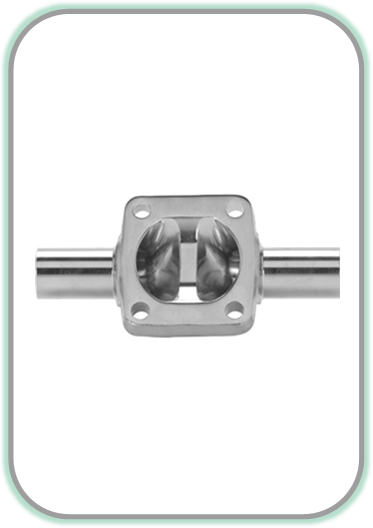 Bodies
Body geometry
The body style determines drainability, dead legs, sampling strategy, purge paths, and how the valve fits into the line or skid.
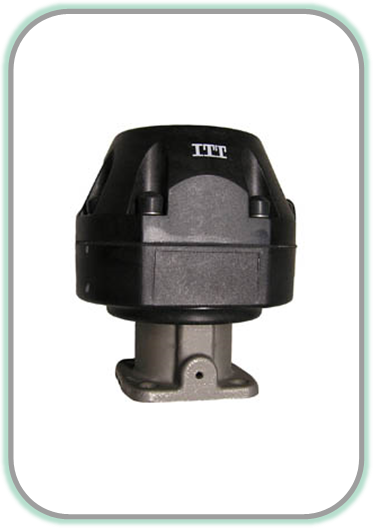 Actuators
Actuation and bonnets
Manual bonnets, pneumatic actuators, stainless hardware, fail position, and feedback need to match plant operation.
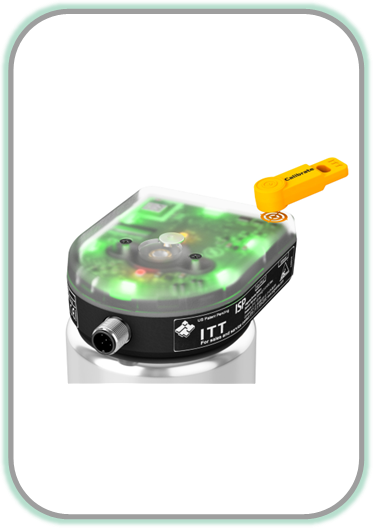 Controls
Instrumentation and controls
Switch packages, sensing, and position feedback should be selected with the actuator and control system in mind.
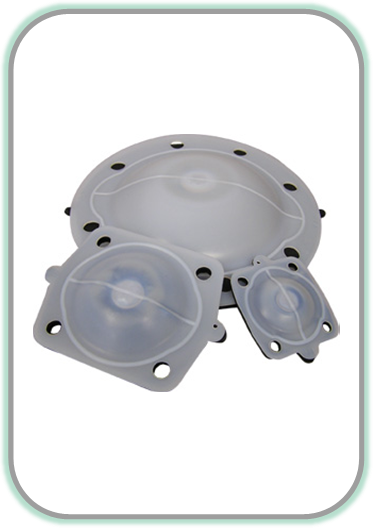 Diaphragms
Diaphragm materials
Chemistry, temperature, SIP/CIP, pressure, and cycle life drive the diaphragm review.
What Triplex will verify before quoting.
Triplex reviews the complete valve package so the recommendation fits the process, the plant, and the maintenance reality.
| Selection point | Why it matters | Triplex note |
|---|---|---|
| Start with the duty | A transfer valve, sample valve, tank-bottom valve, and aseptic barrier solve different problems. | Triplex will ask what the valve is doing before narrowing the body style. |
| Build the full assembly | Body, diaphragm, bonnet/actuator, and controls affect one another. | Selection should not happen one component at a time. |
| Confirm the documentation need | High-purity and validated processes often require specific literature, drawings, or IOM support. | Tell us what needs to be in the turnover package. |
Manufacturer literature and Triplex resources.
Plain-English selection answers.
These answers mirror the structured FAQ layer so buyers and search systems see the same guidance.
What is the first step in specifying an ITT diaphragm valve?
Start with the process duty and body geometry. Transfer, sampling, tank-bottom, block-and-bleed, and high-purity duties can require different valve bodies before actuator or controls are selected.
Why should the diaphragm, actuator, and controls be selected together?
The diaphragm material, bonnet or actuator, fail position, feedback, controls, and documentation needs affect one another. Selecting the valve package as a system reduces rework and field fit-up problems.
What information does Triplex need to quote ITT diaphragm valves?
Helpful information includes product, process conditions, cleaning or sterilization method, valve size, end connections, body style, diaphragm material preference, actuation, controls, fail position, documentation requirements, and any existing tag or part numbers.
Related ITT sensing page.
Need help specifying ITT diaphragm valves?
Send the product, process conditions, cleaning/sterilization method, valve size, end connections, actuation preference, controls needs, and documentation requirements.
Talk to Triplex