ITT valve bodies for cleanable process geometry.
The valve body is where diaphragm-valve selection gets real. Body geometry determines how the valve drains, how much hold-up volume remains, whether a sample point is cleanable, and how the valve fits into a skid, tank outlet, branch, or aseptic barrier.
Which ITT diaphragm valve body style should you choose?
Quick answer: Choose the ITT valve body style around process geometry first: two-way transfer, tank-bottom drainage, sample or purge points, block-and-bleed separation, divert routing, sterile access, chromatography, or Zero Static branch control. The body geometry determines drainability, hold-up volume, dead-leg risk, and service access.
| Application signal | Likely direction | Triplex next step |
|---|---|---|
| Straight transfer or isolation point | Two-way diaphragm valve body | Confirm size, orientation, end connections, diaphragm material, and actuation. |
| Tank outlet, sample, purge, or branch where hold-up matters | Tank-bottom, sterile access, or Zero Static body | Review drainability, dead legs, slope, orientation, and cleaning expectations. |
| Aseptic barrier, routing, or compact skid design | Block-and-bleed, multiport, modular, or custom block body | Compare fabrication complexity, validation needs, and service access. |
Core transfer bodies
Each body style solves a different process problem. Triplex helps compare the geometry against the line layout, cleaning method, sample/purge requirements, and documentation needs.
 Core transfer bodies
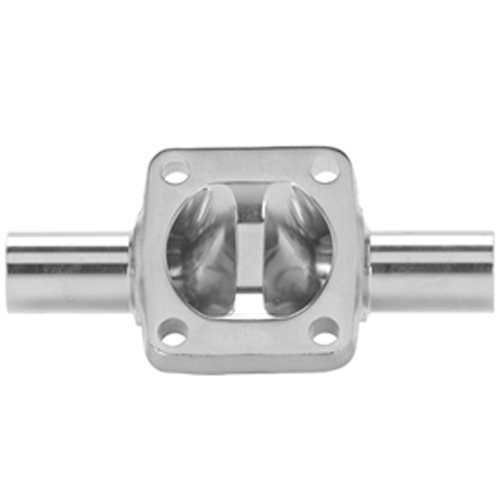
Two-way diaphragm valve
Two-way bodies are the workhorse geometry for clean product transfer, utility isolation, and high-purity shutoff points where the line layout is straightforward but cleanability still matters.
 Core transfer bodies
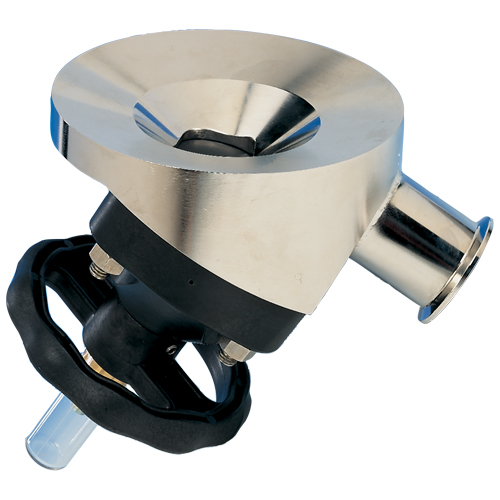
Tank Bottom
Tank bottom bodies are selected when the valve is part of vessel drainage, transfer, or sampling strategy and product hold-up at the tank outlet has to be controlled.
Aseptic barrier and block bodies
Each body style solves a different process problem. Triplex helps compare the geometry against the line layout, cleaning method, sample/purge requirements, and documentation needs.
 Aseptic barrier and block bodies
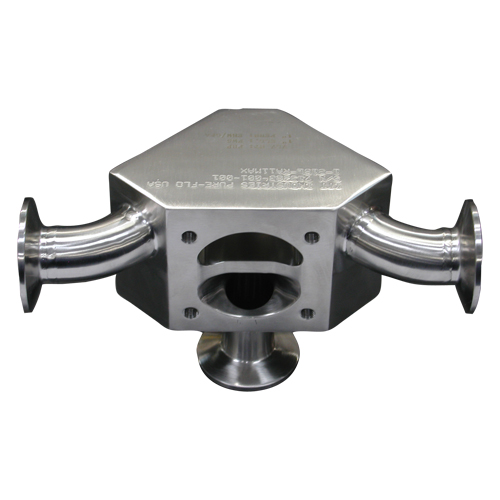
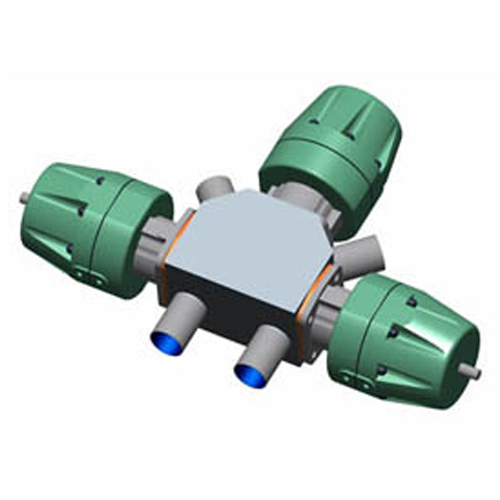
Block & Bleed
Block-and-bleed bodies give engineers a compact aseptic barrier where a traditional multi-valve fabrication would add dead legs, welds, and installation complexity.
 Aseptic barrier and block bodies
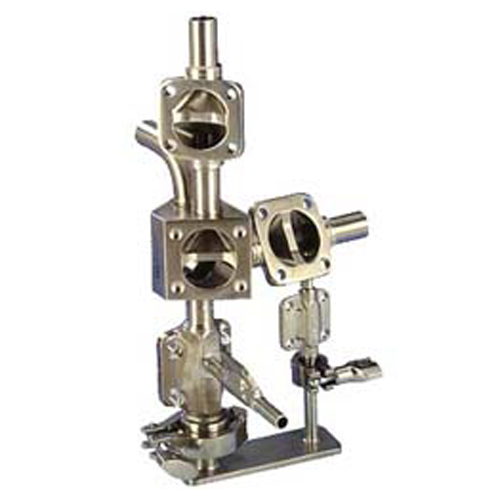
Custom Block
Custom block bodies consolidate multiple flow paths into a machined valve block when standard bodies make the skid larger or harder to drain than it needs to be.
 Aseptic barrier and block bodies
Modular Valve
Modular valve bodies help standardize compact hygienic assemblies where repeatable service access, drainability, and process routing all have to be considered together.
Sterile access and specialty use points
Each body style solves a different process problem. Triplex helps compare the geometry against the line layout, cleaning method, sample/purge requirements, and documentation needs.
 Sterile access and specialty use points
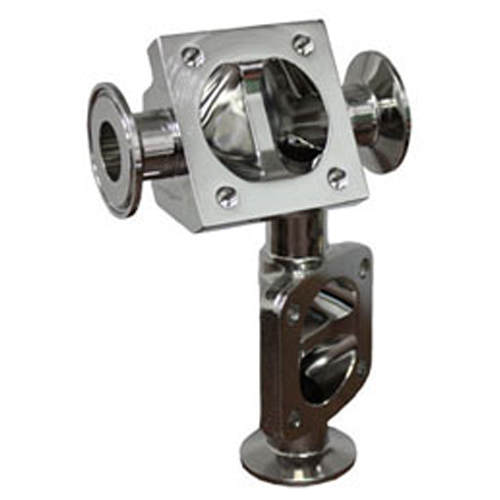
Sterile Access and GMP
Sterile access and GMP valves are used when sample, steam, condensate, drain, or transfer access points have to be designed into the process without creating a cleaning problem.
 Sterile access and specialty use points
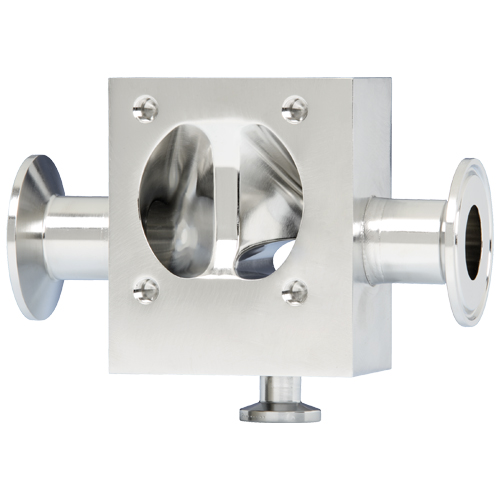
Integral Sterile Access and GMP (ISG)
Integral sterile access designs combine the use-point function into the valve body so the assembly is cleaner, more compact, and easier to validate than a field-fabricated alternative.
 Sterile access and specialty use points
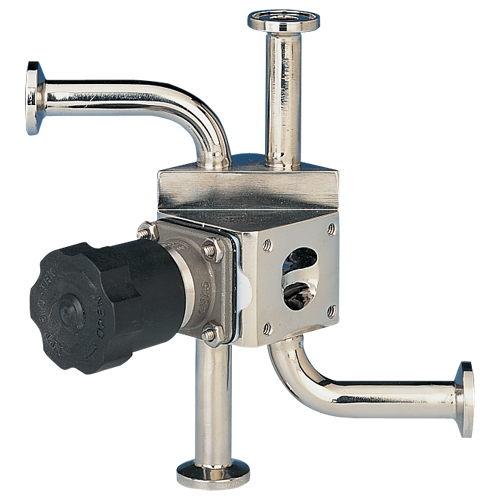
Sterile Barrier
Sterile barrier bodies support process separation and contamination-control strategies where the valve is doing more than simple shutoff.
 Sterile access and specialty use points
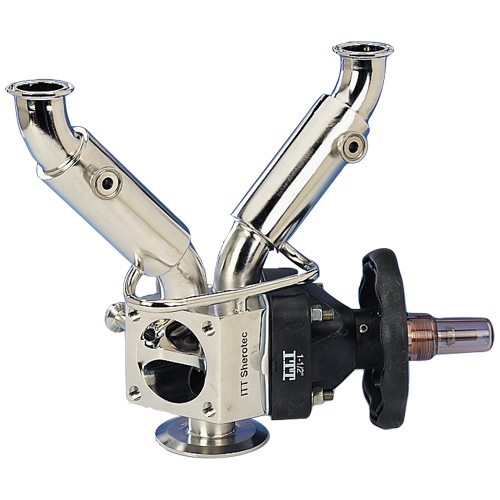
Sterile Filter Shunt
Sterile filter shunt bodies are reviewed when a filter arrangement needs controlled routing, isolation, or cleanable bypass geometry in a compact space.
 Sterile access and specialty use points
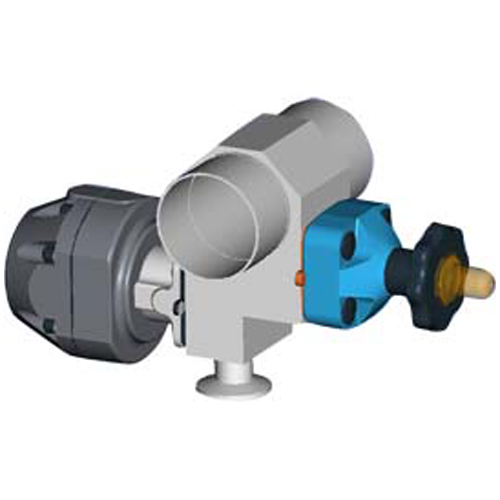
Specialty Zero Static Use Points
Specialty Zero Static use points address sample, purge, drain, and branch-flow details where a standard tee can leave too much hold-up volume.
Divert, chromatography, and Zero Static bodies
Each body style solves a different process problem. Triplex helps compare the geometry against the line layout, cleaning method, sample/purge requirements, and documentation needs.
 Divert, chromatography, and Zero Static bodies
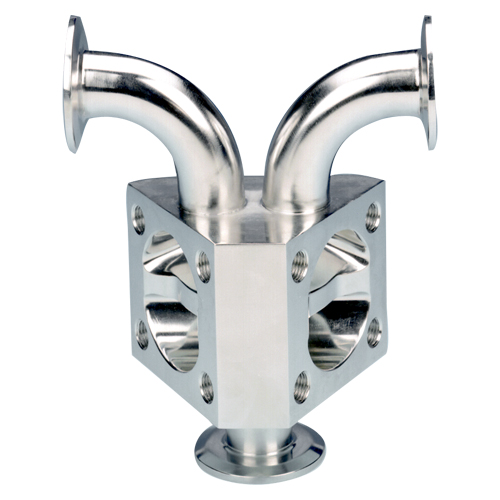
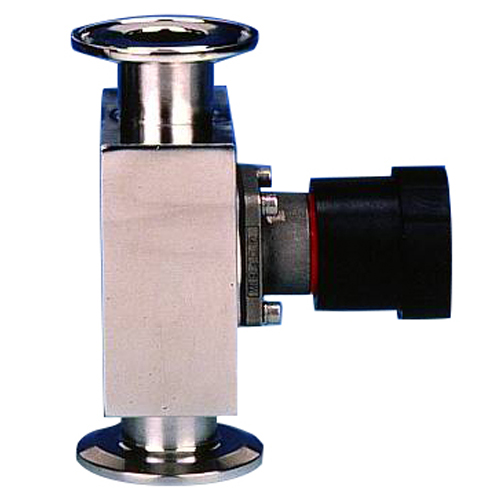
Multiport Divert
Multiport divert bodies reduce fabrication complexity when one valve location needs to route product, CIP, or process streams in more than one direction.
 Divert, chromatography, and Zero Static bodies
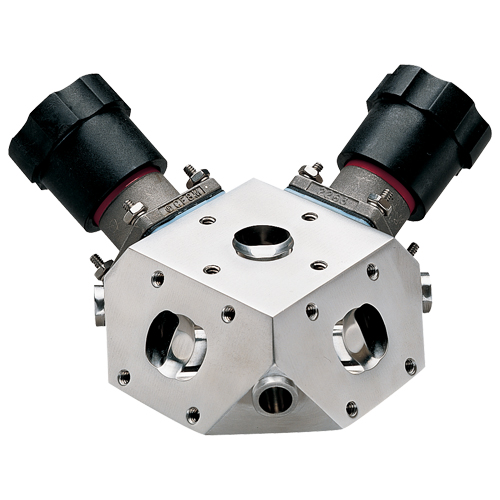
Bypass
Bypass bodies are used when equipment or process branches need controlled routing without building a bulky multi-valve assembly around the line.
 Divert, chromatography, and Zero Static bodies
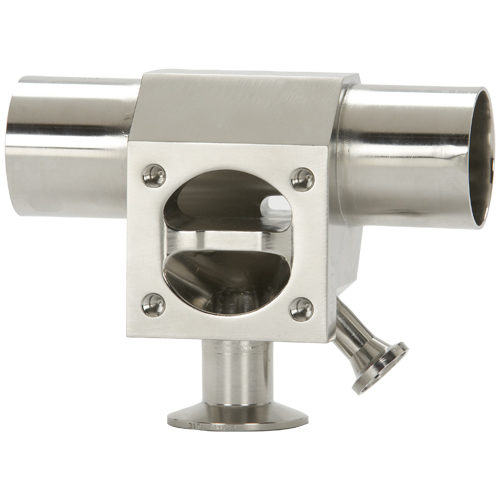
Chromatography
Chromatography bodies are built for high-purity skid layouts where compact geometry, low hold-up, and repeatable cleanability are part of the process design.
 Divert, chromatography, and Zero Static bodies
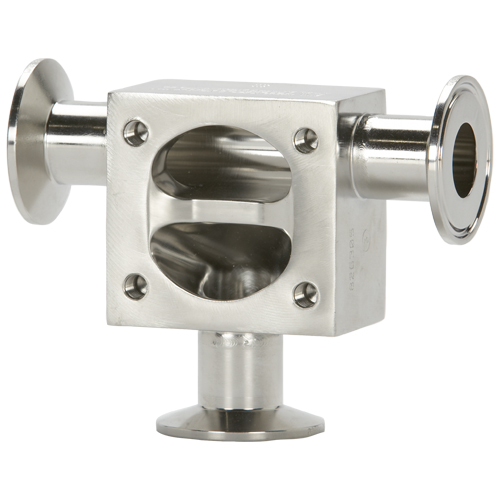
Zero Static Back-to-Back Sample
Back-to-back Zero Static sample valves support clean sample-point design where branch geometry and sample integrity matter.
 Divert, chromatography, and Zero Static bodies
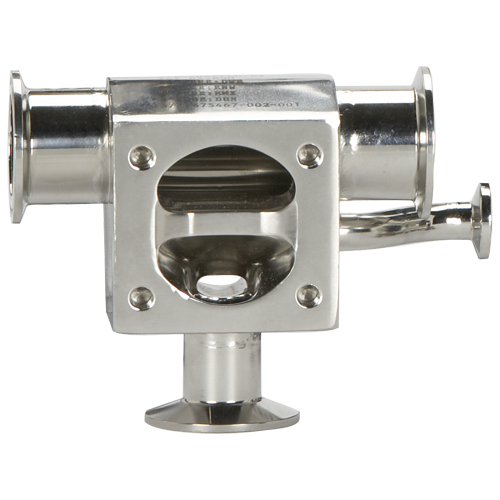
Zero Static Block Body
Zero Static block body tees are selected to reduce dead legs at branches, sample points, purge points, and drain locations.
 Divert, chromatography, and Zero Static bodies
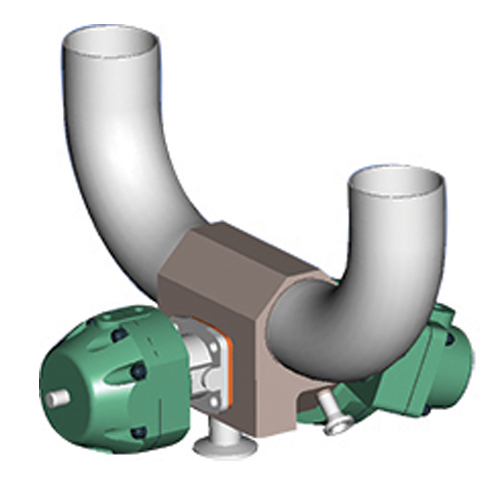
Zero Static Down Stream Purge
Downstream purge bodies help clear or sterilize the downstream side of a valve where the process needs a dedicated purge path.
 Divert, chromatography, and Zero Static bodies
Zero Static with Upstream Sample & Downstream Purge
Combined upstream sample and downstream purge bodies are used when the sample point and purge strategy have to be solved in one compact valve location.
What Triplex will verify before quoting.
Triplex reviews the complete valve package so the recommendation fits the process, the plant, and the maintenance reality.
| Selection point | Why it matters | Triplex note |
|---|---|---|
| Two-way vs. specialty body | A standard two-way body is not the answer for every sample point, purge point, tank outlet, or aseptic barrier. | Start with the valve location and process purpose. |
| Drainability and dead legs | High-purity systems punish small geometry mistakes. | Send orientation, slope, and skid/tank details when available. |
| Assembly-level fit | The body has to work with the diaphragm, bonnet/actuator, and control package. | Triplex can help build the complete valve package. |
Manufacturer literature and Triplex resources.
Related ITT valve pages.
Plain-English selection answers.
These answers mirror the structured FAQ layer so buyers and search systems see the same guidance.
Why does valve body geometry matter so much?
Body geometry determines how the valve drains, how much hold-up remains, whether a branch creates a dead leg, and how the valve fits into a skid, vessel, sample point, or aseptic barrier.
When is a standard two-way diaphragm valve not enough?
A standard two-way body may not be enough for tank bottoms, sample points, purge points, block-and-bleed barriers, chromatography skids, divert routing, or Zero Static branch designs.
What information helps Triplex select an ITT valve body?
Share the valve duty, line size, orientation, process flow path, cleaning method, dead-leg/drainability requirements, end connections, diaphragm material, actuation/control needs, and any drawings or tag numbers.
Need help specifying ITT diaphragm valves?
Send the product, process conditions, cleaning/sterilization method, valve size, end connections, actuation preference, controls needs, and documentation requirements.
Talk to Triplex