High-viscosity pumping for sanitary and process applications
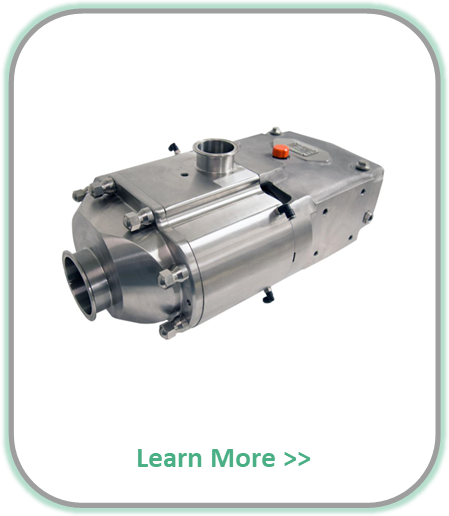
High-viscosity pumping starts with the product at operating temperature. Confirm viscosity, required flow, suction condition, line losses, pressure, solids, shear sensitivity, temperature, cleaning method, and seal risk before choosing rotary lobe, circumferential piston, twin screw, or another pump style.
Room-temperature viscosity can be the wrong number for a hot or chilled process.
A pump cannot move product it cannot get into the inlet cleanly.
Tubing length, fittings, elbows, valves, and elevation can add more head than expected.

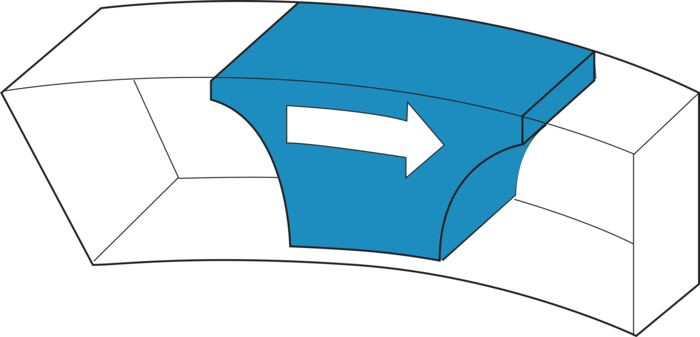
High-viscosity selection matrix
| Variable | Why it changes the pump answer | What Triplex checks |
|---|---|---|
| Viscosity at operating temperature | A thick product may thin when heated or thicken during transfer. | Speed, horsepower, slip, line loss, suction behavior. |
| Suction condition | Lift, long inlet runs, restrictions, and entrained air can starve the pump. | Available NPSH, inlet size, speed, flooded vs lift/vacuum. |
| Line loss | Thick product through small tubing can create high pressure demand. | Friction-loss estimate, fittings, valves, elevation, discharge head. |
| Solids / crystals / particulates | Product damage and abrasion can change pump style and seal materials. | Rotor clearance, shear limits, seal faces, elastomers. |
| Cleaning method | CIP/COP and temperature swings affect pump style and seal plan. | Cleanability, product/CIP flow split, chemistry, drainability. |
Pump-style fit chart
| Pump style | Fit for high viscosity | Where it usually needs review |
|---|---|---|
| Rotary lobe / circumferential piston | Strong candidate for many sanitary viscous transfer duties. | Suction limits, pressure, dry-running risk, seal heat, abrasive/crystallizing product. |
| Twin screw | Strong candidate when viscosity varies widely or product/CIP duties may share a pump. | Horsepower, cleaning velocity, pressure, seal plan, system economics. |
| Centrifugal | Limited fit as viscosity rises. | Only use when curve, head, flow, viscosity, and shear requirements make sense. |
| Progressive cavity / diaphragm / specialty | Application-specific. | Sanitary requirements, cleanability, pulsation, maintenance, material compatibility. |
Risk escalator
Send viscosity, line details, and the duty point.
Triplex can compare pump styles once viscosity, temperature, flow, pressure, suction, line details, cleaning method, and existing equipment are known.
Helpful Triplex links
FAQ
What is the best pump for high-viscosity products?
There is no single best pump. Rotary lobe, circumferential piston, twin screw, progressive cavity, and other styles can fit depending on viscosity, suction condition, pressure, shear, solids, cleaning method, and seal requirements.
Why does viscosity at temperature matter?
Many products thin or thicken significantly with temperature. Sizing from room-temperature viscosity can produce the wrong pump, speed, horsepower, or line-loss estimate.
When should I consider a twin screw pump for high viscosity?
Review twin screw when viscosity varies widely, suction is difficult, product and CIP may share one pump, or cleanability and gentle transfer both matter.
Can I use a centrifugal pump for high-viscosity liquid?
Sometimes, but centrifugal pumps usually become less practical as viscosity rises or suction/shear requirements become more demanding.
What should I send Triplex for high-viscosity pump sizing?
Send product, viscosity at operating temperature, flow, pressure/head, suction condition, line length/fittings, solids, shear concerns, temperature, cleaning method, and existing equipment details.