Need Waukesha pump parts? Start with model, serial number, and seal style.
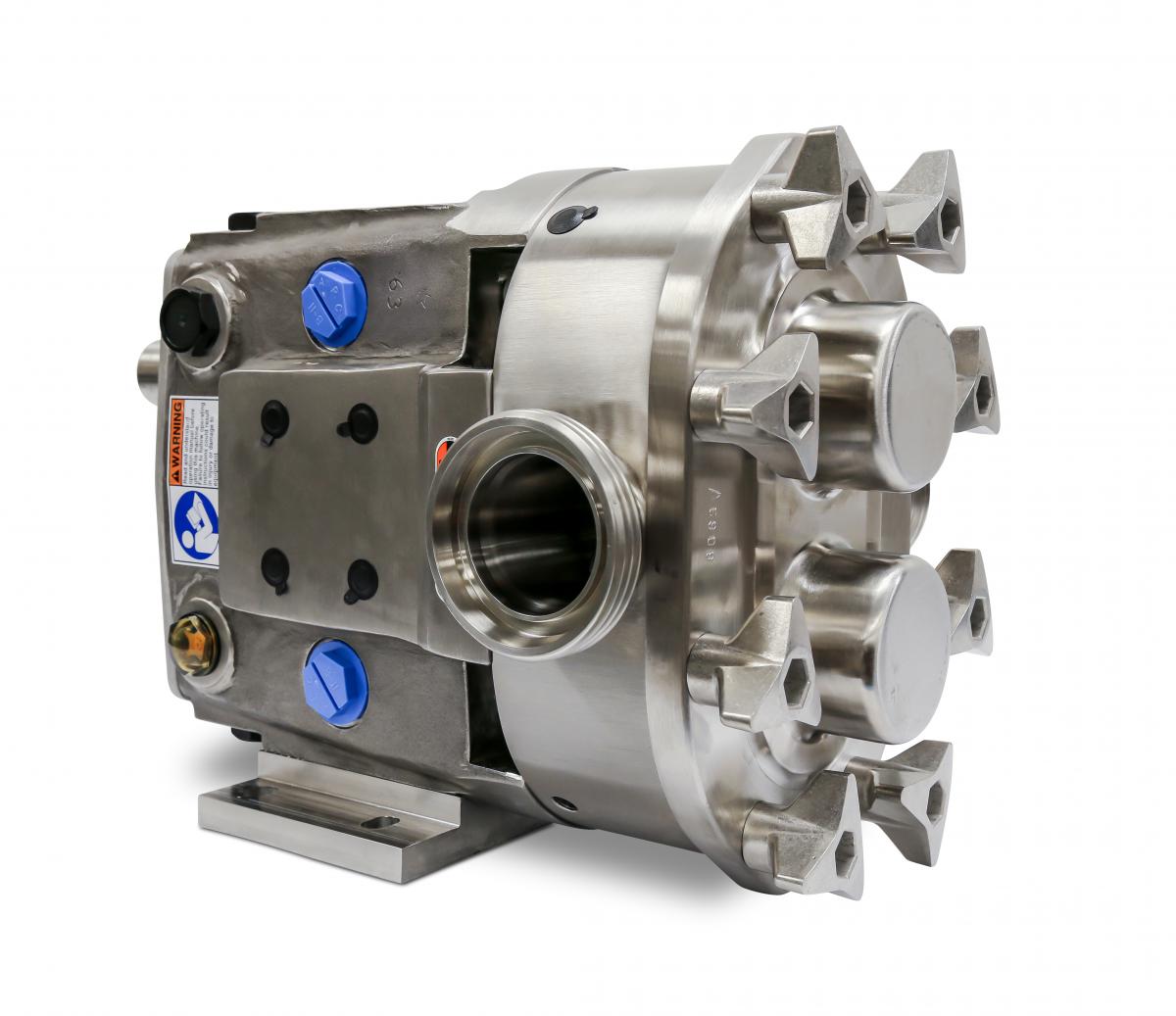
Start with the pump model and serial number from the nameplate. For seal kits, also confirm the current seal style, elastomer, product, temperature, cleaning method, and whether a flush is available. The model gets the conversation started; the configuration and application keep the parts request from turning into guesswork.
Model and serial number are the safest starting point, especially for older pumps or rebuilt units.
Seal style, materials, cleaning, temperature, and flush availability can change the correct kit path.
Nameplate, head, cover, ports, seal area, and removed parts help inside sales verify the configuration.
What to send Triplex
A complete request does not need to be complicated. These items usually separate a clean parts quote from a back-and-forth guess.
| Send this | Why it matters | Best source |
|---|---|---|
| Model and serial number | Confirms the pump family, size, build history, and safest parts path. | Nameplate photo |
| Seal style and elastomer if known | The same pump can use different seal arrangements and material combinations. | Seal-area photo, prior invoice, maintenance record |
| Product, temperature, and cleaning method | CIP chemistry, heat, dry-running risk, and product behavior can change seal and elastomer recommendations. | Application notes |
| Leak/damage symptom | A routine spare and a repeated seal failure should not be handled the same way. | Photo/video plus short description |
| Current part photos | Helps confirm orientation, wear pattern, and whether the part matches the expected configuration. | Removed component on a clean bench |
Parts request workflow
| Step | What happens | Triplex review point |
|---|---|---|
| 1. Identify | Match model/serial and pump family. | Confirm this is the correct Waukesha platform and size. |
| 2. Screen | Review seal, product, temperature, cleaning, and failure mode. | Decide whether a standard spare path is enough or application review is needed. |
| 3. Verify | Check manuals, drawings, curves, and configuration clues. | Avoid quoting a part that fits the family but not the actual pump. |
| 4. Quote | Prepare the parts path once fit and application risks are understood. | Final selection still depends on the actual configuration. |
When to slow down before ordering
Send the model, serial number, and photos.
Triplex will help narrow the correct parts path before quoting. Include the pump nameplate, seal-area photo, and a short description of the application or symptom.
Helpful Triplex links
FAQ
Can you identify a Waukesha seal kit from only the pump model?
Sometimes the model narrows the options, but it is not enough for a final recommendation. Triplex should confirm serial number, seal style, elastomer/face materials, product, temperature, cleaning method, and flush details.
Do I need the serial number for Waukesha parts?
The serial number is the safest starting point, especially for seal kits, rotors, rebuild parts, older units, or pumps that may have been modified.
What photos should I send?
Send clear photos of the nameplate, pump head, cover, seal area, ports, current part if removed, and any tag or documentation you have.
Can Triplex help with older Waukesha pumps?
Yes, Triplex can help review older Waukesha pump information and route the parts or replacement discussion, but final availability and fit must be confirmed.
Where can I find pump curves and drawings?
Start with the Triplex Model and Performance Center, then contact Triplex if the needed file is unavailable or the configuration needs review.