Heat exchange for products that do not behave like water.
Triplex supports sanitary heat exchange applications where viscosity, particulates, crystallization, temperature control, cleanability, and uptime all matter. Start here when you need to compare scraped-surface heat exchangers, plate heat exchangers, Votator service, or thermal-process support.
Choose the heat exchanger around the product, not just the temperature target.
Thin, clean products and utilities can often be handled efficiently with plate heat exchange. Viscous, sticky, crystallizing, aerated, or particulate products may need a scraped-surface design that keeps product moving while controlling film buildup.
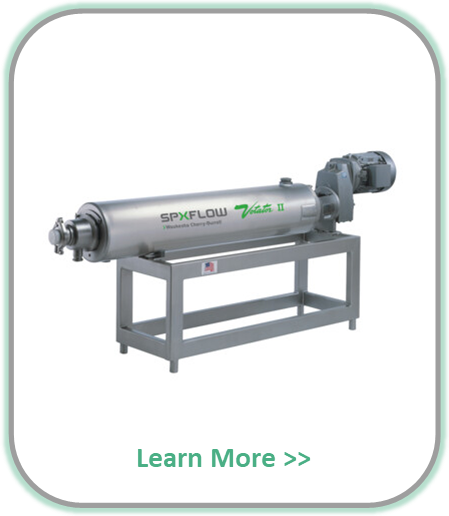 Scraped surface
Votator scraped-surface heat exchangers
For products where fouling, viscosity, particulates, crystallization, or texture control make conventional heat transfer difficult.
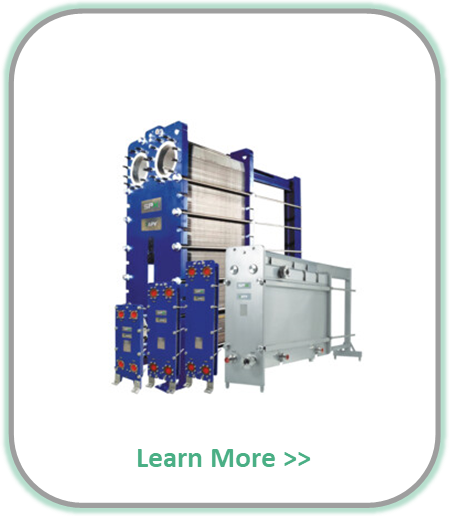 Plate heat exchange
Plate heat exchangers
Efficient sanitary heat transfer for lower-viscosity products, utility loops, cooling, heating, and regeneration-style duties.
 Lifecycle support
Votator service and rebuild support
Support for blades, shaft assemblies, seals, service questions, and replacement components that keep thermal lines running.
How should you choose sanitary heat exchange equipment?
Quick answer: Choose sanitary heat exchange equipment around product behavior first: viscosity, fouling, particulates, crystallization, heat sensitivity, cleaning method, pressure drop, and utility conditions. Thin clean products may fit plate heat exchange; viscous, sticky, fouling, or crystallizing products often point toward scraped-surface heat exchange.
| Application signal | Likely direction | Triplex next step |
|---|---|---|
| Thin, clean liquid or utility-style duty | Plate heat exchanger | Review flow, temperatures, pressure drop, and cleaning expectations. |
| Viscous, sticky, fouling, crystallizing, or particulate product | Scraped-surface heat exchanger | Review Votator options and gather product/process data. |
| Existing unit with performance, cleaning, or temperature problems | Service or application review | Check blades, seals, utility conditions, fouling pattern, and process changes. |
Plate or scraped-surface heat exchange?
Plate heat exchangers are often the most efficient and compact choice for lower-viscosity products, clean liquids, utility heating/cooling, and regeneration duties. Scraped-surface heat exchangers should be evaluated when viscosity, fouling, burn-on, crystallization, particulates, aeration, or texture requirements make conventional plate or tubular heat transfer difficult.
The right heat exchanger starts with product behavior, not just the target temperature. Texture, mouthfeel, crystallization, color, aeration, and particle integrity require application review and often testing.
| Product/application signal | Usually compare first | Why |
|---|---|---|
| Thin, clean product or utility fluid | Plate heat exchanger | Efficient heat transfer in a compact footprint. |
| Viscous, sticky, or fouling product | Scraped-surface heat exchanger | Scraping action can help manage buildup at the heat-transfer surface. |
| Crystallizing or phase-change product | Scraped-surface heat exchanger | Product behavior must be controlled through the temperature change. |
| Particulates or texture-sensitive product | Application review | Geometry, shear, pressure drop, and product integrity all matter. |
| Existing exchanger missing outlet temperature | Service/application review | Fouling, utility limits, flow changes, or equipment condition may be the cause. |
What Triplex needs for heat exchange review.
Send the product, flow rate, inlet and outlet temperature targets, utility conditions, viscosity at processing temperature, particulates or solids, fouling or crystallization behavior, heat sensitivity, pressure limits, cleaning method, and current performance issues.
For products where texture, crystallization, burn-on, particle integrity, or final mouthfeel matters, Triplex should review the duty with SPX/Votator application data and consider testing before making a final equipment recommendation.
What Triplex checks before recommending a platform.
Heat exchange is a process conversation. Product behavior at temperature, viscosity, particulate size, cleaning method, utility availability, pressure drop, and target outlet temperature all affect the recommendation.
| Question | Why it matters | Useful Triplex resource |
|---|---|---|
| Will the product foul, burn on, crystallize, or build film? | These are classic scraped-surface warning signs. | Review Votator options |
| What is the viscosity at processing temperature? | Viscosity changes heat transfer, pressure drop, and pumpability. | Viscosity Reference Guide |
| How restrictive is the circuit? | Pressure drop and line loss can limit throughput or overwork pumps. | Friction Loss Calculator |
| What chemistry touches seals and gaskets? | CIP, product chemistry, and temperature drive material compatibility. | Chemical Compatibility Guide |
Documents for quote-ready thermal process review.
Use these documents for thermal equipment reference and quote preparation. For broader installed-base review, Triplex facility audits and site surveys help identify equipment condition, duty requirements, utility details, and service opportunities before the model discussion.
Heat exchange problems usually need more than a model number.
Slow batches, inconsistent outlet temperatures, excessive pressure drop, fouling, utility strain, and cleaning headaches can come from several places at once. A Triplex audit or site survey helps review the installed thermal process, equipment condition, duty requirements, utilities, and service opportunities.
From there, the next step is clearer: repair, rebuild, replace, reconfigure, or move into a deeper application review.
Plain-English selection answers.
These answers mirror the structured FAQ layer so buyers and search systems see the same guidance.
When should I consider a scraped-surface heat exchanger?
Scraped-surface heat exchange should be evaluated when the product is viscous, sticky, fouling, crystallizing, particulate-bearing, aerated, texture-sensitive, or difficult to move through conventional heat transfer equipment.
When is plate heat exchange a better starting point?
Plate heat exchange is often a good starting point for lower-viscosity, cleaner products or utility duties where efficient heat transfer, compact footprint, and cleanability can be achieved without scraping the surface.
What information does Triplex need for heat exchange review?
Send product, flow rate, inlet and outlet temperatures, viscosity at process temperature, particulates, cleaning method, utility conditions, pressure limits, and current performance or service issues.
Need help deciding between plate and scraped surface?
Send the product, flow rate, inlet/outlet temperatures, viscosity, particulates, cleaning method, and utility conditions. Triplex will help narrow the right heat exchange path.