Waukesha U1 vs U2 vs U3: which sanitary PD pump fits your process?
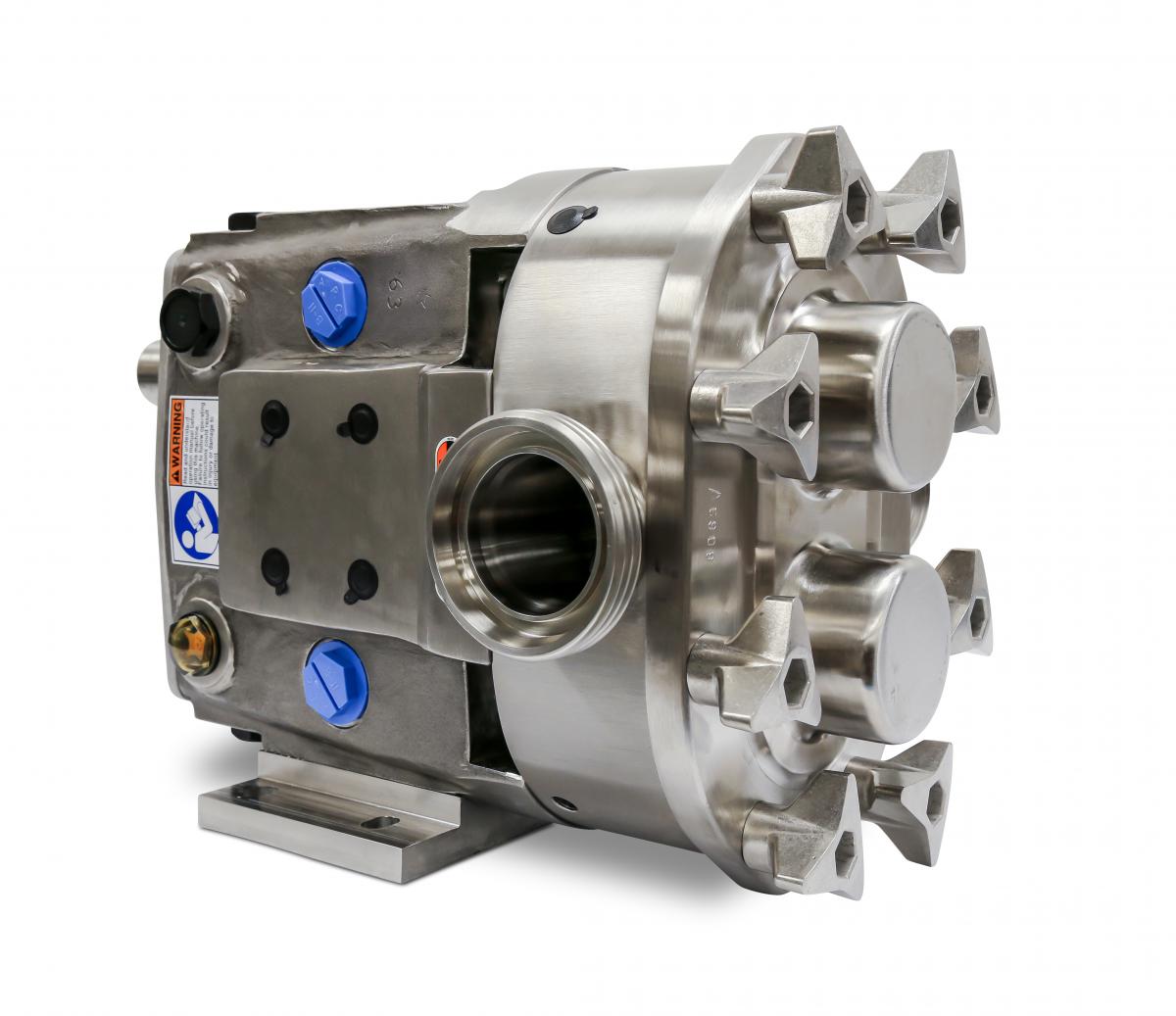
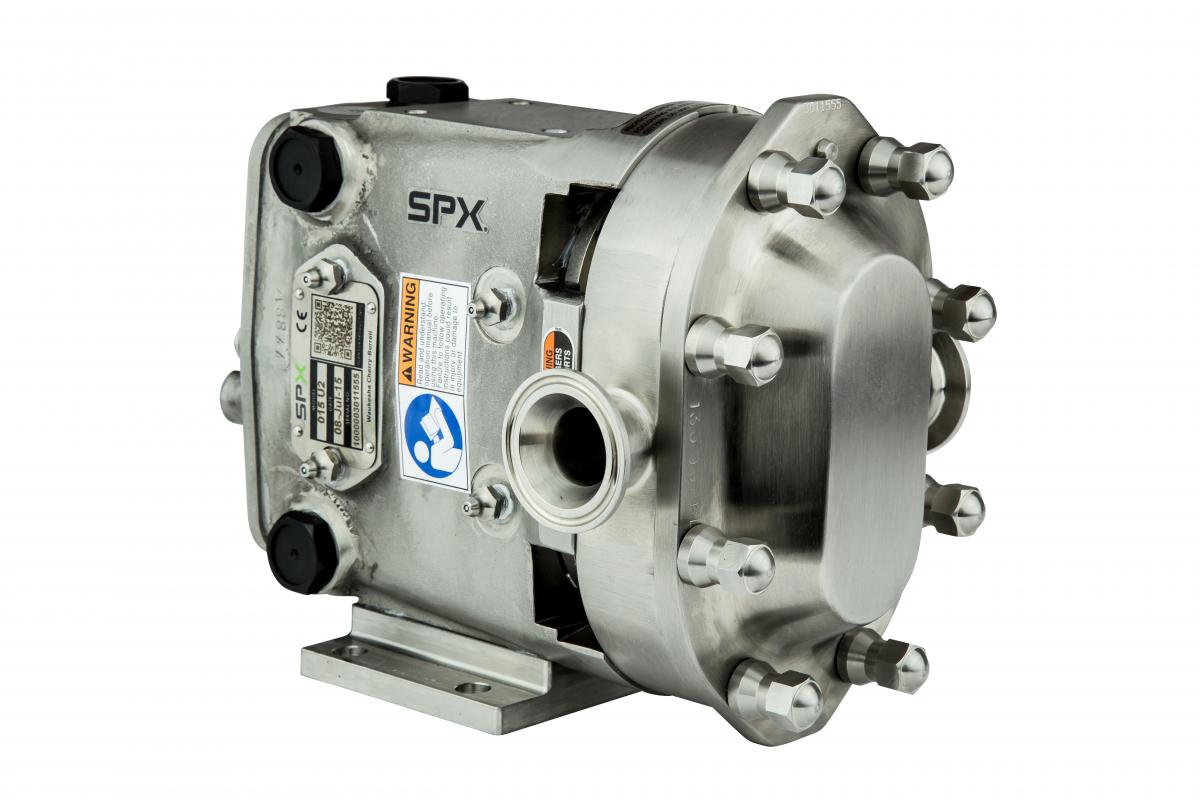
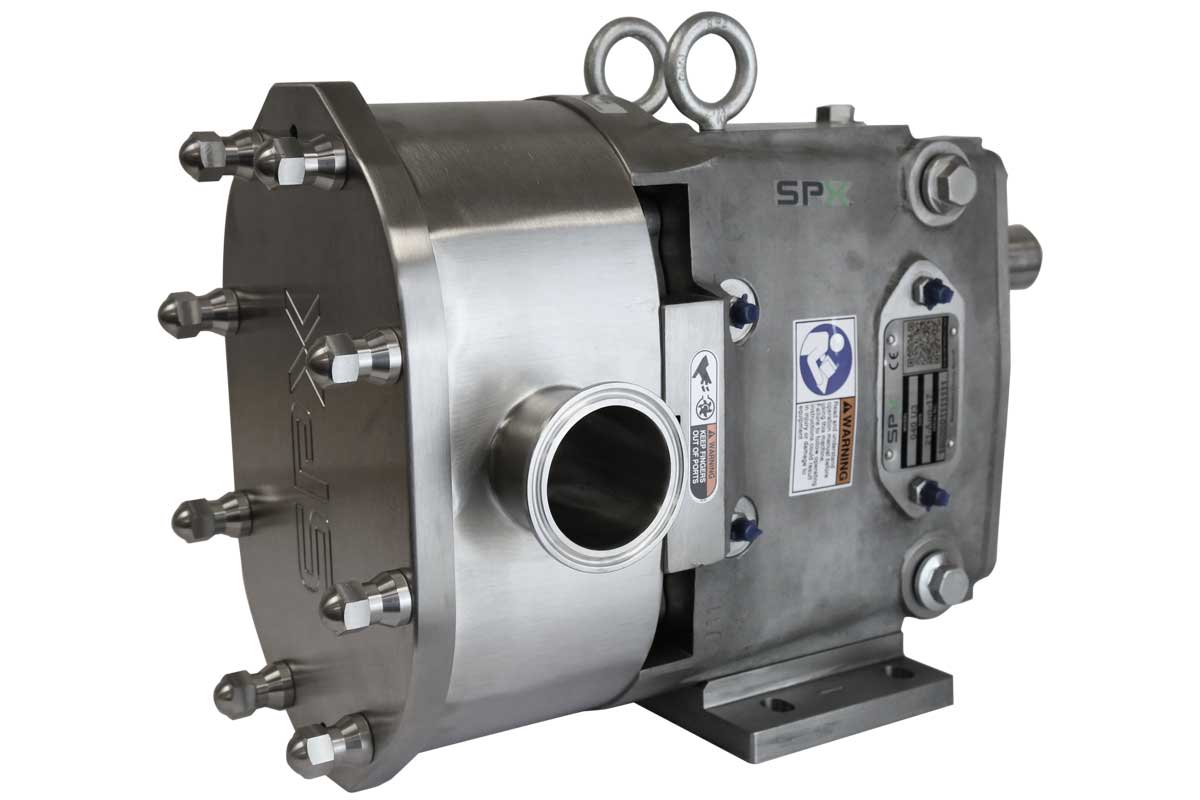
U1 is the proven COP-oriented sanitary Universal platform, U2 is the CIP-oriented Universal platform for processes where clean-in-place performance must be designed, configured, and validated as part of the full process/CIP system, and U3 is the higher-pressure/front-loading-seal Universal platform for demanding sanitary duties. None is automatically best, and none should be treated as a drop-in replacement without checking the duty point.
Often the practical first look when the duty fits and COP cleaning is acceptable.
Review when clean-in-place performance is a core system requirement.
Review when pressure, shaft support, or front-loading seal access matters.
Quick comparison matrix
| Platform | Best first look when... | Watch-outs | Triplex review focus |
|---|---|---|---|
| U1 | COP cleaning is acceptable and the duty fits a proven sanitary PD platform. | Do not assume model/port size confirms pressure, speed, viscosity, or seal suitability. | Flow, differential pressure, viscosity at temperature, cleaning method, seal arrangement. |
| U2 | CIP cleanability, drainability, seal-cavity contact, and high-care production expectations drive the discussion. | The pump is part of the CIP system; clean-in-place performance must be designed/configured/validated with piping, velocity, chemistry, temperature, and drainability. | Selected configuration, CIP circuit assumptions, duty point, seal/elastomer package. |
| U3 | Higher-pressure duty, front-loading seal access, shaft support, or demanding service conditions are major drivers. | Do not overspec by family name alone; U1 may still be the better practical answer. | Pressure, service access, maintenance expectations, selected model rating. |
Family-level rating caveat
Published maximums are useful guideposts, not promises for every selection.
| Published guidepost | How to use it | What still controls the selection |
|---|---|---|
| U1 information lists models up to 450 GPM and up to 200 PSI by selected model. | Use as an outer family reference. | Selected size/configuration, rotor/clearance package, speed, differential pressure, viscosity at temperature, product, seal type, elastomer, drive, duty cycle, and cleaning requirements. |
| U2 information lists models up to 660 GPM and up to 500 PSI by selected configuration. | Do not combine family maximum flow and family maximum pressure as one guaranteed operating point. | Same caveats, plus CIP system design and validation requirements. |
| U3 information lists models up to 450 GPM and up to 500 PSI by selected configuration. | Use to decide whether U3 deserves review, not to finalize sizing. | Same caveats, plus service access and duty severity. |
Decision chart
Send the duty point before choosing a family.
Triplex can compare U1, U2, and U3 once product, viscosity, flow, pressure, cleaning method, seal needs, and existing pump details are known.
Helpful Triplex links
FAQ
Is U2 replacing U1 or U3?
No. U1, U2, and U3 serve different sanitary PD pump needs. U1 remains a proven COP workhorse, U2 is often reviewed when CIP cleanability and system-validated clean-in-place performance are central, and U3 is often reviewed for higher-pressure or front-loading-seal service needs.
When should I choose Waukesha Universal 2?
Review U2 when CIP cleanability, drainability, seal-cavity cleaning, and high-care sanitary production are major drivers, and when the plant will design, configure, and validate cleaning as part of the full process/CIP system. Final selection still depends on the full duty point and configuration.
Is U3 always better than U1?
No. U3 can be a stronger fit for demanding pressure/service needs or front-loading seal maintenance, but U1 may be the better practical choice when the duty, COP cleaning method, and maintenance expectations fit.
Can I size U1, U2, or U3 from port size?
No. Port size is not enough. Confirm flow, differential pressure, viscosity at operating temperature, suction condition, speed, horsepower, torque/drive limits, seal needs, cleaning method, rotor clearance, elastomers, and model-specific ratings.
What information should I send Triplex for a comparison?
Send product, viscosity at temperature, required flow, pressure/head, line details, suction conditions, cleaning method and validation requirements, seal needs, temperature range, solids/fibers, shear sensitivity, current pump model/serial, photos, and any curve or performance data.